
The Complete Guide to Airbnb Listing Optimization
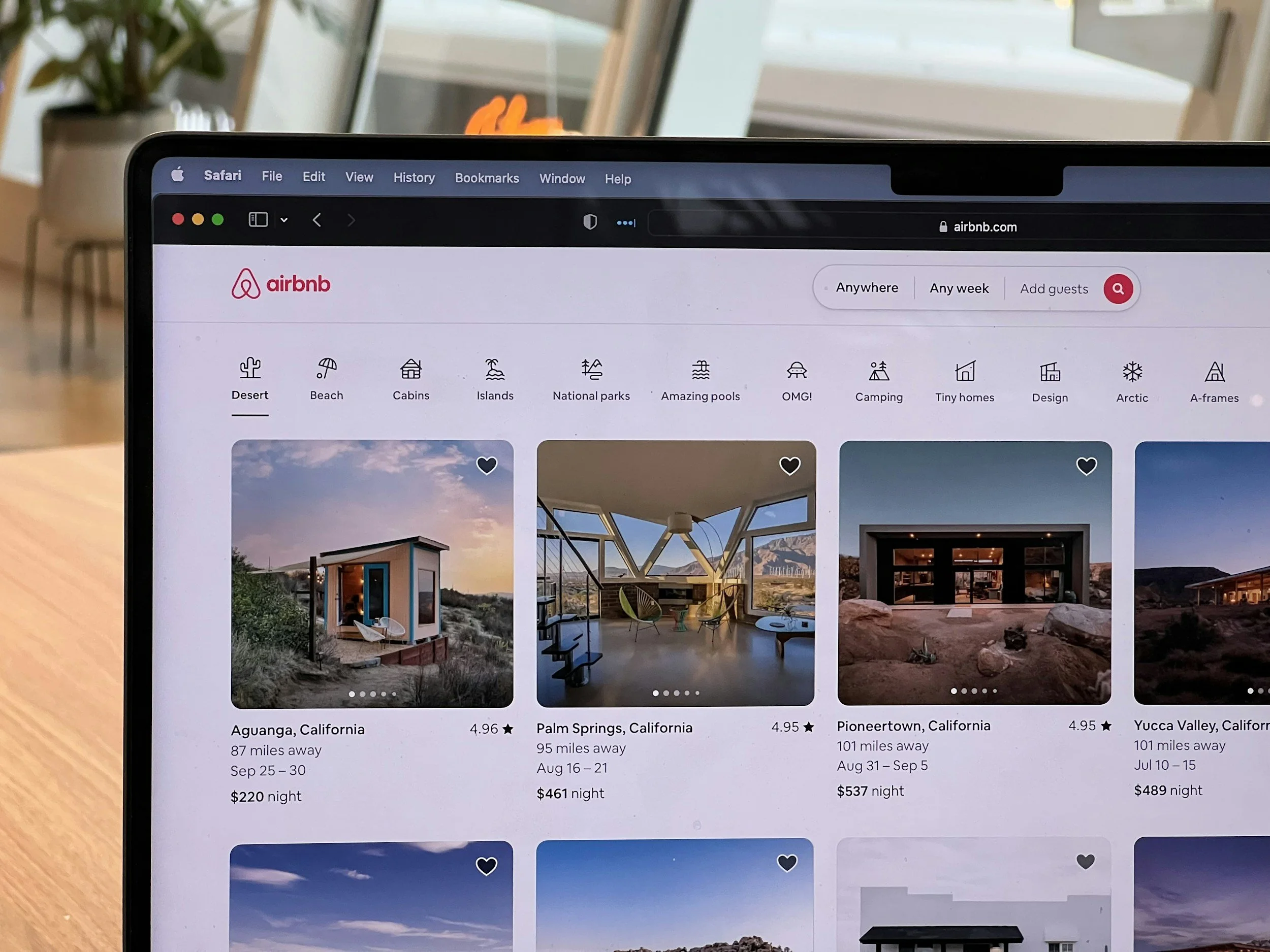
Most underperforming Airbnb listings don't have a demand problem — they have a listing problem. The property is fine. The location is fine. The nightly rate is fine. But the listing itself fails to turn browsers into bookers because the title is generic, the photos are dark, or half the amenities were never filled in.
This guide covers every part of your listing that affects whether a guest finds you, clicks you, and books you — plus the current ranking factors behind Airbnb's search algorithm, which has changed meaningfully over the past year.
Why Does Your Airbnb Listing Matter So Much?
Airbnb looks at hundreds of small signals to decide which listings show up first, and every guest sees a slightly different set of results based on their own search history and habits — so there's no single fixed spot your listing sits in. It ranks differently for every person who searches.
Two things matter more than everything else: how often people tap on your listing after seeing it in search, and how often that tap turns into an actual booking. Your title, your photos, and your price all exist to move those two numbers.
What Makes a Good Airbnb Title?
Airbnb only gives you 50 characters, and titles get cut off on mobile — so the first 30–35 characters do most of the work. Think of it less like a description and more like a headline.
A formula that works well: Location + Property Type + One Thing That Makes It Stand Out.
Location — the most specific area a guest would actually search, not just a city or region
Property type — cabin, cottage, loft, one-bedroom retreat — whatever it actually is
One standout detail — the single feature most likely to make someone stop scrolling: private hot tub, walk to the lake, mountain view
Skip words like “cozy” or “stunning” on their own — nobody searches for those, so they're just taking up space. If you want to use a word like that, pair it with something specific it's actually describing.
What Should Your Airbnb Description Actually Say?
Guests scan, they don't read line by line — so how you organize it matters more than how well it's written.
First line is the hook. Lead with what makes the stay worth booking, not a generic welcome.
Key selling points, in short scannable chunks — not a wall of paragraphs.
The space and amenities, organized by what a guest actually cares about (sleeping arrangements, workspace, kitchen, outdoor space).
Location context — what's nearby and why someone would want to stay there.
Logistics, kept brief — check-in process, house rules, anything a guest needs to know before booking.
Every field Airbnb gives you — amenities, house rules, photo captions — feeds into how you rank in search. Leaving one blank isn't neutral, it's a missed chance to get found.
What Makes Airbnb Photos Actually Get Clicks?
Photos do more to get people to tap on your listing than anything else. A few things that consistently make a difference:
Lead with your strongest, brightest shot — this is your hero image in search results
Shoot in natural daylight wherever possible; avoid mixing warm indoor light with photos taken at night
Use a wide-angle lens for rooms so spaces read as larger and more open
Cover every major guest-used space — bedrooms, bathroom, kitchen, common areas, and any standout outdoor space
If your title makes a specific promise (a hot tub, a view, a record player), make sure a clean, well-lit photo of that exact thing appears early in the gallery. A title that oversells what the photos show creates guest disappointment before they've even booked.
How Should You Price an Airbnb Listing?
Airbnb doesn't just look at your price on its own — it compares it to similar listings nearby on the same dates. Price too high and fewer people book, which hurts your ranking too. Price too low and you're just leaving money on the table without actually ranking any better.
A few pricing basics worth knowing:
Adjust for seasonality and local events, not just weekday vs. weekend
Keep pricing within a competitive range of similar nearby listings, and expect that range to shift with demand
As of December 2025, Airbnb standardized a host-only fee structure — your displayed nightly rate is now the full guest-facing price, so factor that into how you set and compare rates
Use minimum-stay settings deliberately: shorter minimums during high-demand periods, longer minimums when you'd rather fill fewer, longer bookings
How Does Airbnb Decide Which Listings Show Up First?
A few real things have changed about how Airbnb ranks listings this past year:
The Guest Favorites badge now matters more than Superhost. It's tied to the listing itself, not the host, needs roughly a 4.9+ rating, and updates daily based on how you've been doing lately.
Recent reviews count more than old ones. A listing with five recent five-star reviews can outrank one with older reviews and a so-so recent average.
Answering fast makes a real difference. Responding within an hour beats responding within a day.
Turning on Instant Book gives you a real edge. Set it up with ID verification as the only requirement, and you remove a step that otherwise costs you both clicks and bookings.
New listings don't get much of a head start anymore. Airbnb used to give brand-new listings a temporary visibility bump. That's much shorter and weaker now — which makes everything above matter from day one, not just after you've built up reviews.
What This Looks Like in Practice
For one client launching a brand-new listing with none of the above already in place — no reviews, no booking history, no reputation — applying this exact approach produced:
3 bookings within the first 48 hours live
19 nights booked in the first 30 days
$4,934 earned in the first 30 days, compared to $1,700/month the property earned as a long-term rental
A 5.0 average rating with 4 consecutive five-star reviews
None of that came from a new-listing algorithm boost — it came from a title, photo set, description, and pricing strategy built around what actually drives clicks and bookings, from day one.
Launch Checklist
Title — under 50 characters, location + property type + one real standout detail up front
Description — scannable structure, every section filled in, no blank fields
Photos — bright, wide-angle, every major space covered, hero photo matches what the title promises
Amenities — every applicable box checked; blank fields hurt how easily you get found
Pricing — competitive against similar nearby listings, adjusted for season and local events
Instant Book — enabled, with ID verification as the only requirement
Response time — under 1 hour when possible
Reviews — actively requested after every stay, not left to chance
Need Help Optimizing Your Listing?
At Shared Vision Studios, we help property owners turn a listing — new or existing — into one that actually converts. From market research and pricing strategy to photography direction and guest experience design, we build the strategy and help you execute it.
Your next guest is already searching. Let's make sure your listing is the one they book.